
Autism Spectrum Disorder (ASD) affects how a child communicates, interacts socially, processes sensory information, and may include differences in movement, coordination, and activity levels. Every child is unique. The foundation of support remains evidence-based approaches such as behavioral therapy, speech and language therapy, occupational therapy, and educational interventions.
Physiotherapy — sometimes called neuro physiotherapy when it focuses on neurological and sensory-motor aspects — is increasingly used as a complementary therapy for children with autism.
What is Neuro Physiotherapy?
Neuro physiotherapy is a specialized form of physical therapy. It uses structured movement activities, sensory-motor exercises, balance training, postural work, and play-based techniques to support the nervous system and body.
Sessions are typically active, engaging, and tailored to the child's age, abilities, and needs. The goal is to improve motor skills, body awareness, coordination, and overall physical participation.
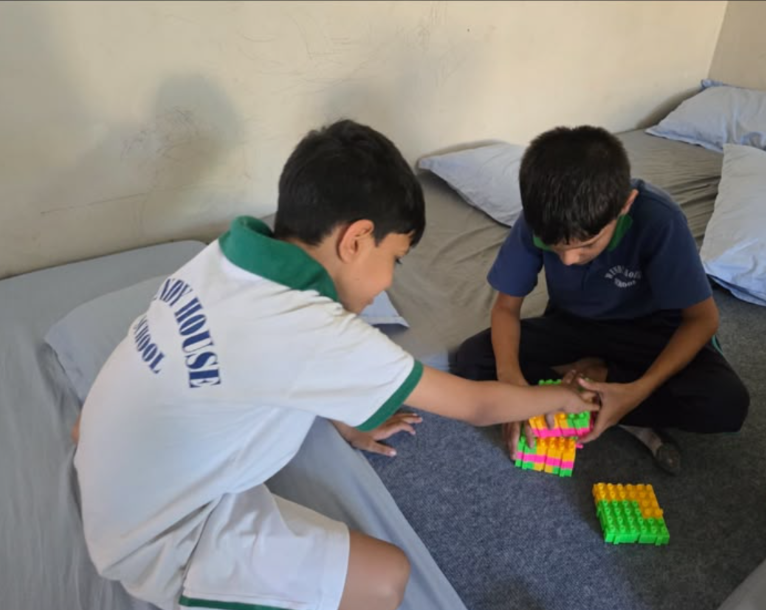
Sensory-Motor & Movement Foundation
Structured physical activities support body awareness, postural stability, and motor coordination to enhance engagement in daily life and other developmental therapies.
Why is it used in autism?
Many children with autism experience challenges with motor coordination, posture, balance, sensory processing, and sometimes higher levels of restlessness or hyperactivity. These physical differences can affect daily activities, play, attention, and engagement with other therapies.
Neuro physiotherapy aims to address these motor and sensory-motor foundations so children can participate more fully in everyday life and other interventions.
What current research and clinical experience suggest
Physiotherapy is widely recognized as a helpful supportive therapy for motor and sensory challenges in autism. Studies and clinical observations indicate that structured physical therapy programs can lead to improvements in:
- Gross & Fine Motor Skills: Enhances fundamental movement patterns, dexterity, and muscle tone.
- Balance, Posture & Coordination: Builds core stability and vestibular-proprioceptive integration.
- Sensory Regulation & Body Awareness: Facilitates sensory calibration to help children feel grounded in their physical space.
- Participation in Play & Daily Routines: Enables greater independence in school, peer interactions, and home routines.
Some children also show secondary benefits such as better attention, reduced restlessness or hyperactivity, and improved readiness to engage in speech or social activities. These changes occur because better physical regulation and sensory processing can support overall calmness and focus.
Direct large-scale evidence specifically linking physiotherapy alone to major gains in speech or gut microbiome composition is limited.
Speech improvements, when noted, are usually indirect and work best when physiotherapy is combined with dedicated speech-language therapy. Gut microbiome changes are more strongly associated with diet, probiotics, and overall health interventions rather than physiotherapy itself.
Safety and suitability
Neuro physiotherapy is generally safe and well tolerated when delivered by trained pediatric physiotherapists.
Sessions are adapted to the child's sensory preferences and energy levels. Side effects are rare and usually limited to temporary tiredness. Proper assessment ensures activities are appropriate and enjoyable.
Important limitations
- Benefits vary widely between children.
- Physiotherapy works best as part of a multidisciplinary plan, not as a standalone treatment.
- High-quality research specifically measuring long-term effects on hyperactivity, speech, or microbiome outcomes remains limited.
- Results depend on consistency, the therapist's expertise, and the child's individual profile.
Current understanding
Neuro physiotherapy is a valuable complementary approach for supporting motor skills, sensory regulation, and physical participation in children with autism. It does not cure autism and is not a replacement for core therapies. When integrated thoughtfully, it can enhance a child's overall functioning and quality of daily life.
A message for parents and caregivers
Many families notice positive changes in their child's movement, calmness, attention, and willingness to participate after consistent physiotherapy. While research continues to grow, current evidence supports its role in addressing physical and sensory-motor needs that often accompany autism.
If you are considering neuro physiotherapy, speak with a qualified pediatric physiotherapist experienced in autism. A careful assessment can help determine whether it is a suitable addition to your child's existing support plan.