
Abstract
Speech and language delay is one of the most common developmental concerns in childhood. When severe or persistent, it can substantially affect a child's social, educational, and emotional development. This report presents a structured clinical analysis of 213 children aged 3–18 years (mean age 7.5 years) in Nepal who presented with significant speech delay or non‑verbal communication.
Key observations included: male predominance (59%), cesarean delivery (84%), prolonged maternal labor >7 hours (93%), maternal medical conditions or medication use during pregnancy (72%), reported hyperactivity (97%), and daily screen exposure exceeding 4 hours (83%).
These findings are compared with available Nepalese national health statistics to contextualize rates. While the analysis is preliminary and observational, the patterns identified offer a clinically meaningful foundation for future research, early screening initiatives, and awareness in Nepal's child developmental health landscape.
Introduction
Speech and language development follows a recognized progression in early childhood. Delays in this trajectory can signal underlying neurodevelopmental, sensory, or environmental factors. In Nepal, awareness of developmental speech delay is growing, but structured clinical data remain limited.
This report analyzes clinical observations from 213 children referred to developmental services with significant speech delay or non‑verbal communication. The aim is to describe the demographic and clinical profile of these children and to compare selected variables with national data, where available.
This is a preliminary observational analysis, not a controlled study. It is intended to highlight patterns for further investigation and should not be interpreted as establishing direct causation.
Cohort Description
A total of 213 children were included in this analysis. Key demographic and clinical characteristics:
- Age Range: 3–18 years (mean age 7.5 years)
- Gender: 59% male, 41% female
- Cesarean Delivery: 84% of mothers delivered via C‑section
- Prolonged Labor (>7 hours): Reported in 93% of cases
- Maternal Medical Conditions / Medication: Present in 72%
- Hyperactivity: Reported in 97% of children
- Screen Exposure (>4 hrs/day): 83%
Visual Summary of Key Findings
The following clinical visualizations summarize the key observational metrics from the cohort of 213 children:
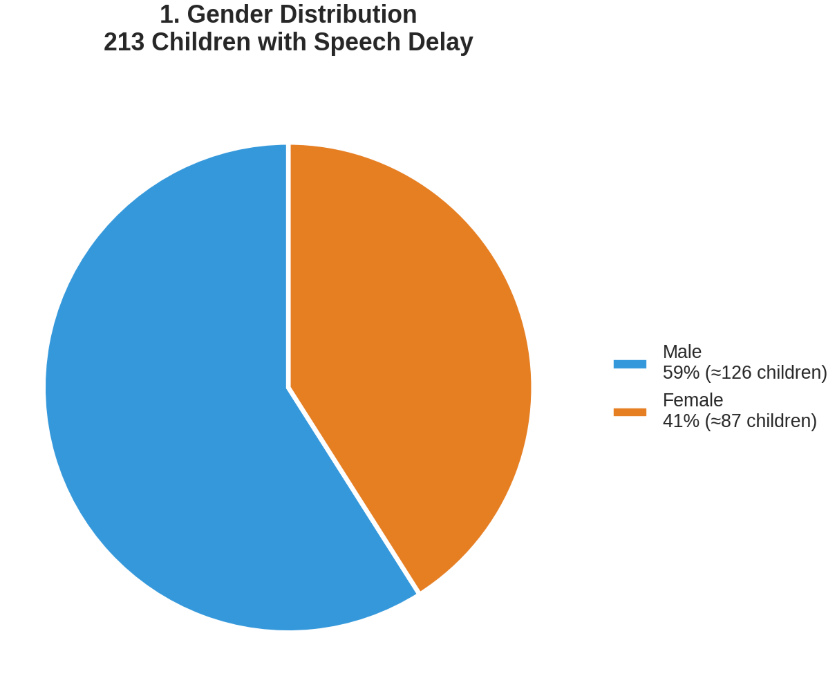 Figure 1: Gender Distribution
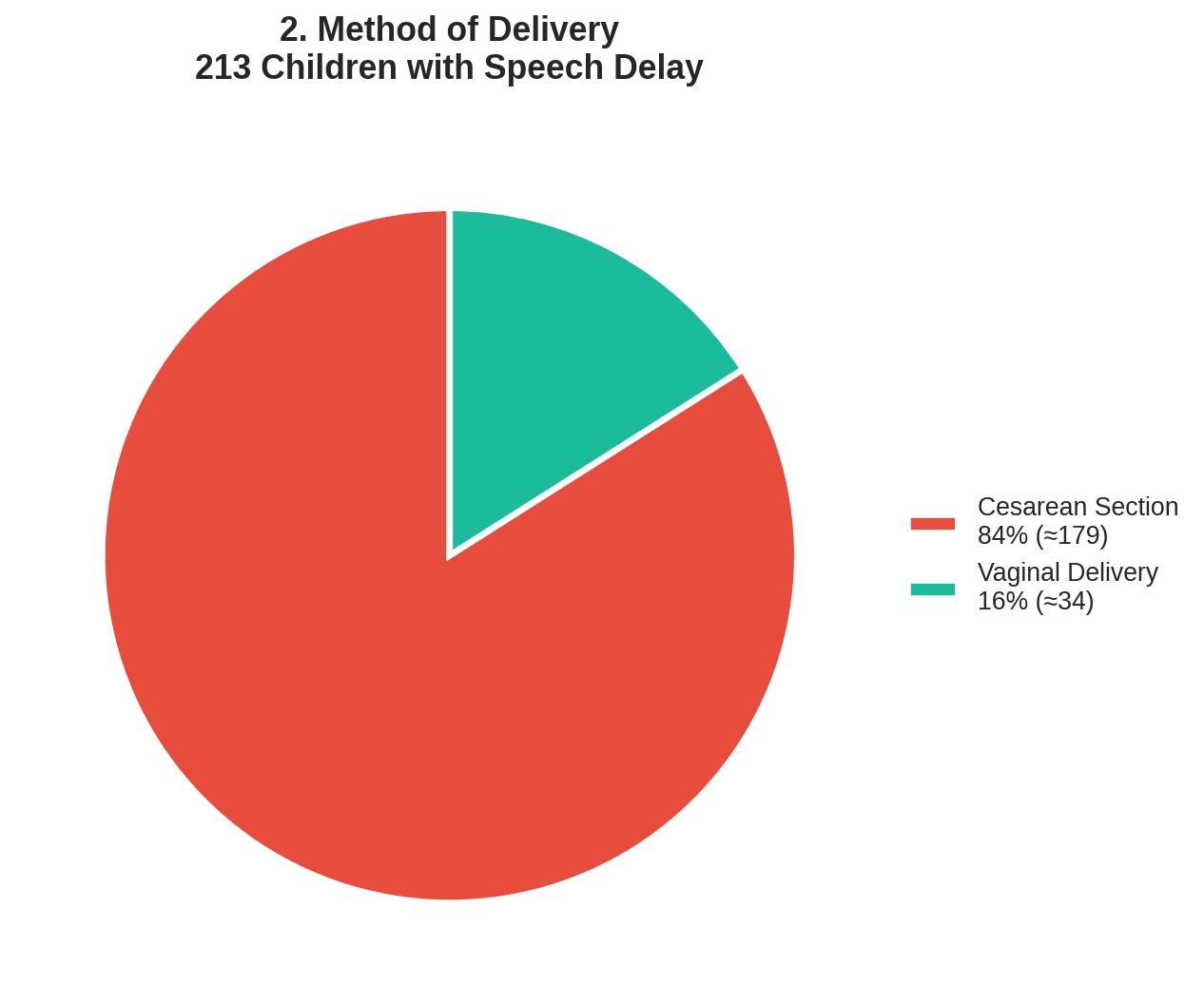 Figure 2: Delivery Mode Profile
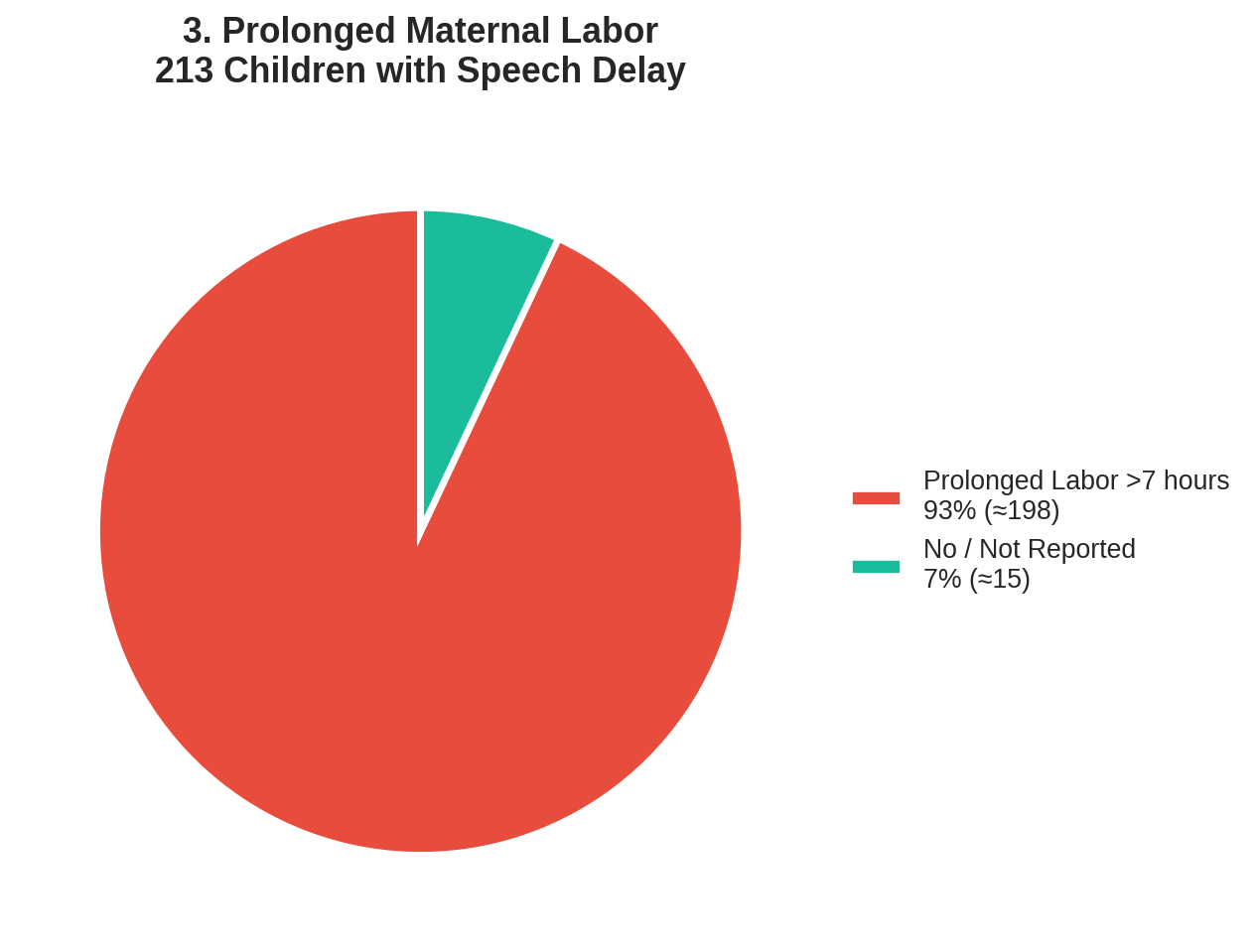 Figure 3: Maternal Medical Factors
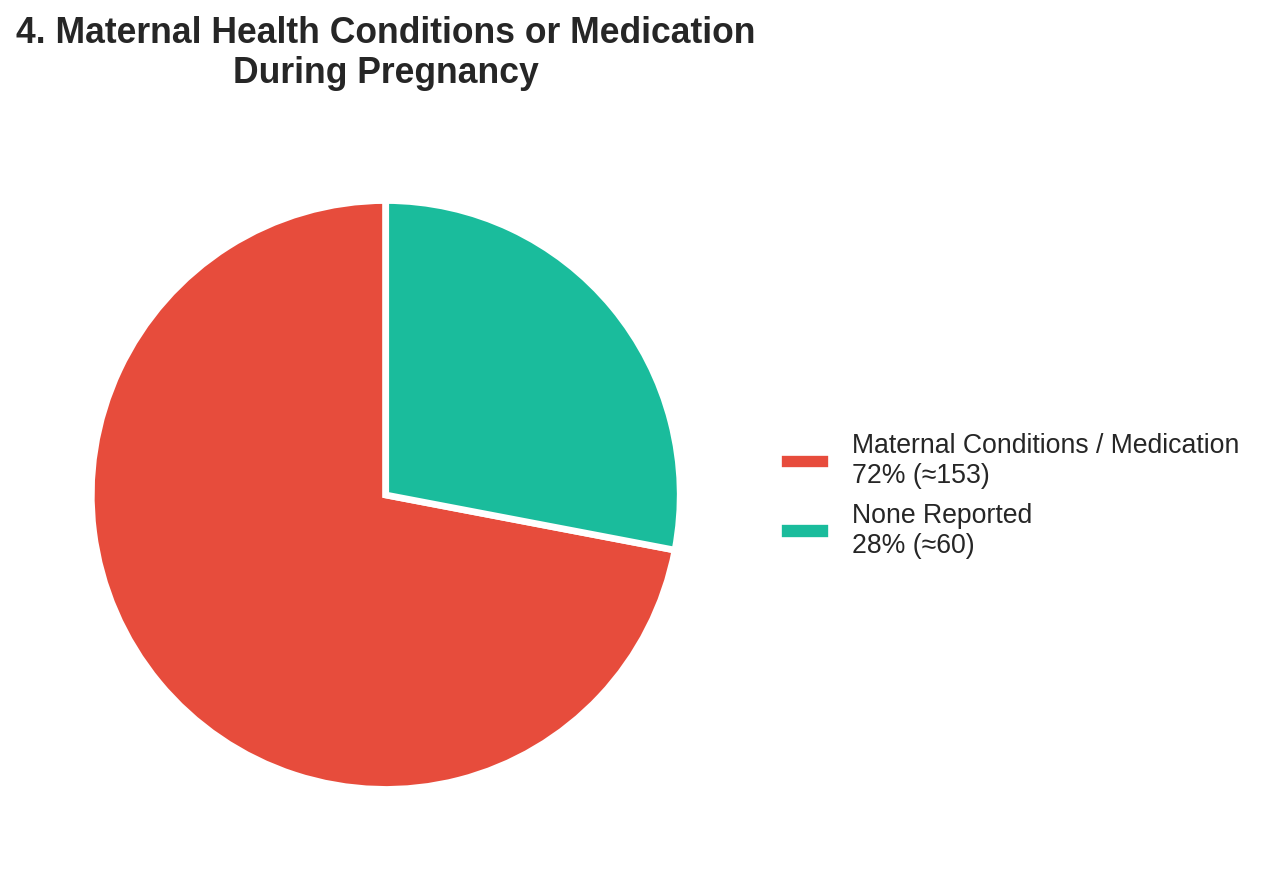 Figure 4: Labor Duration Metric
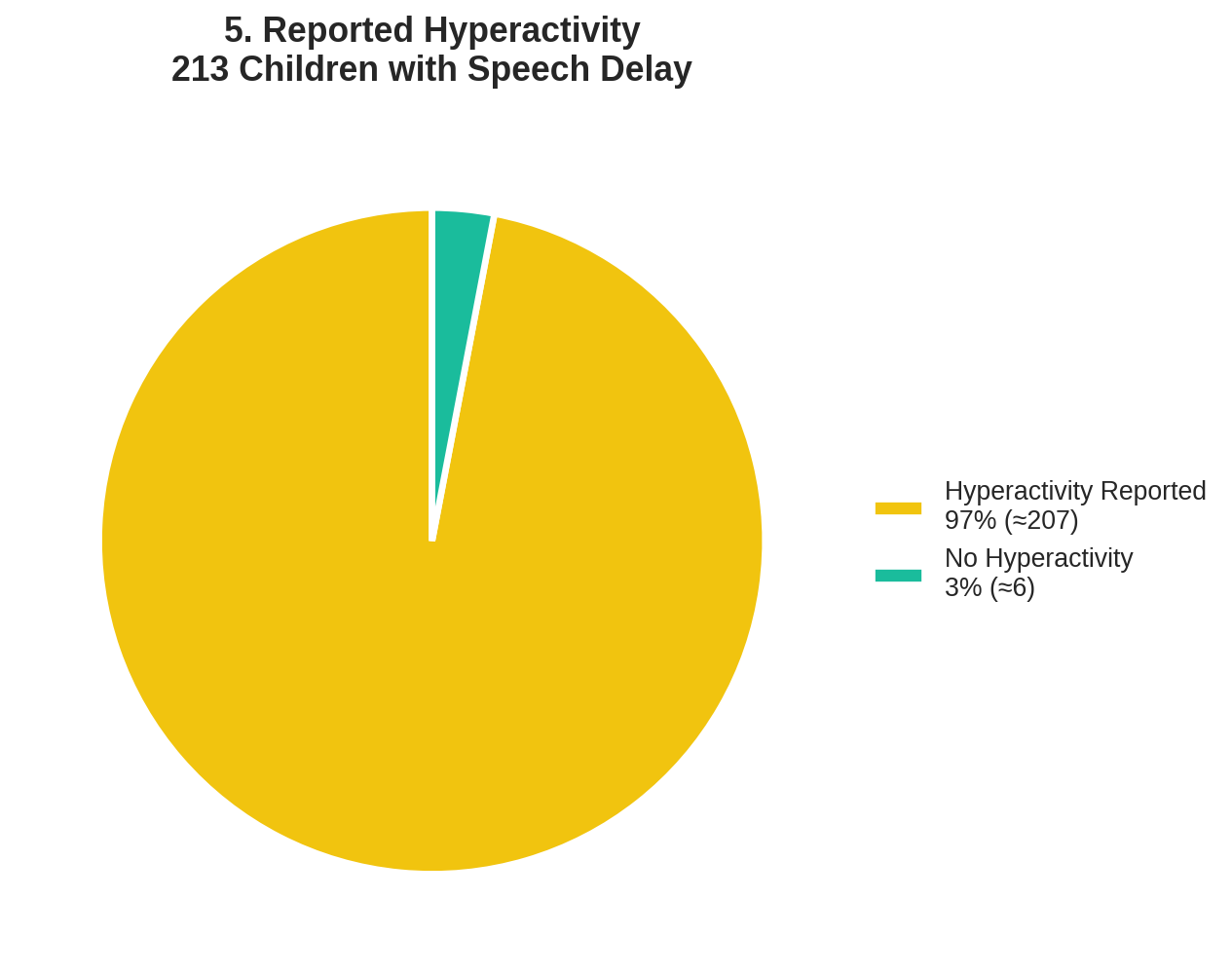 Figure 5: Reported Hyperactivity Rate
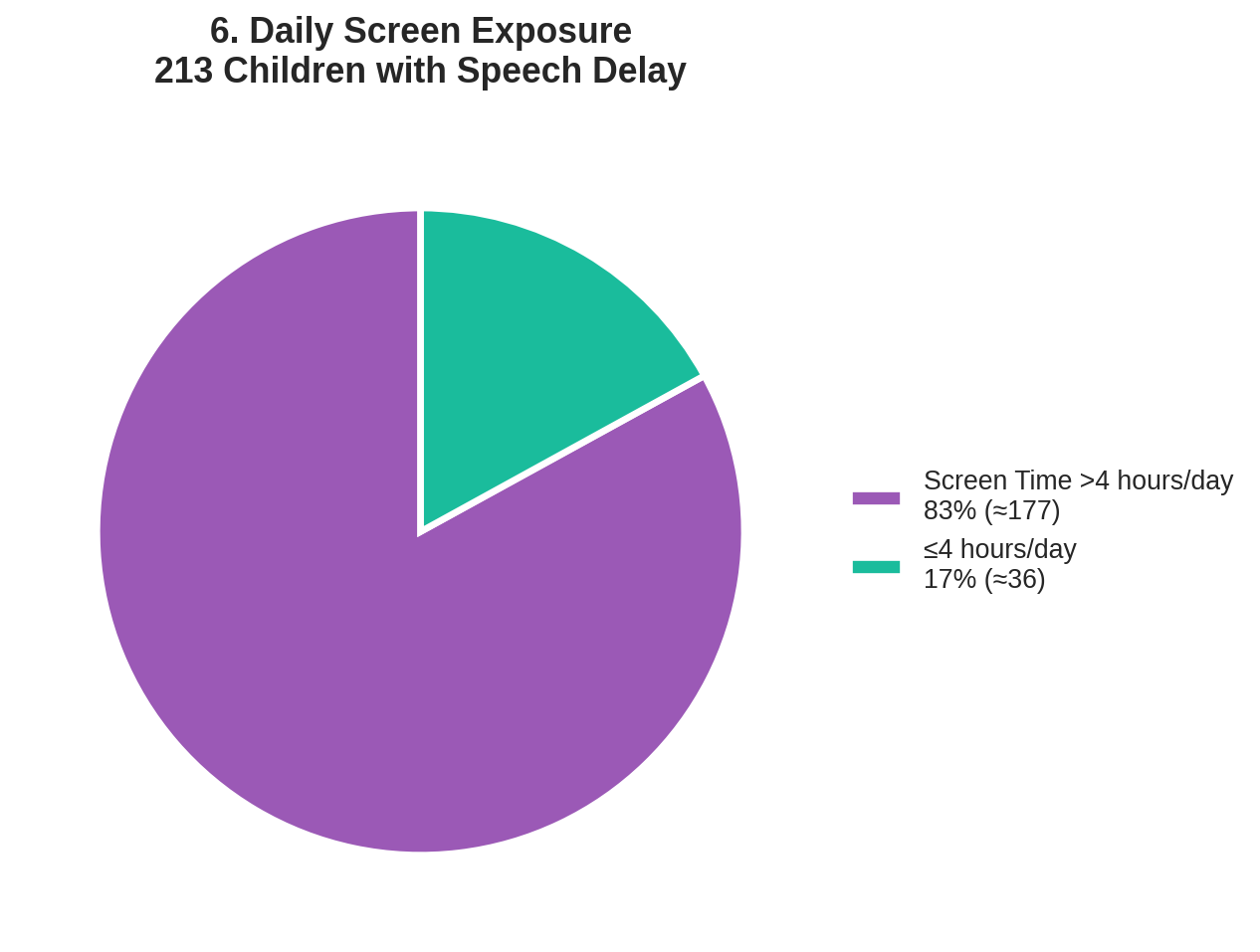 Figure 6: Daily Screen Time Exposure
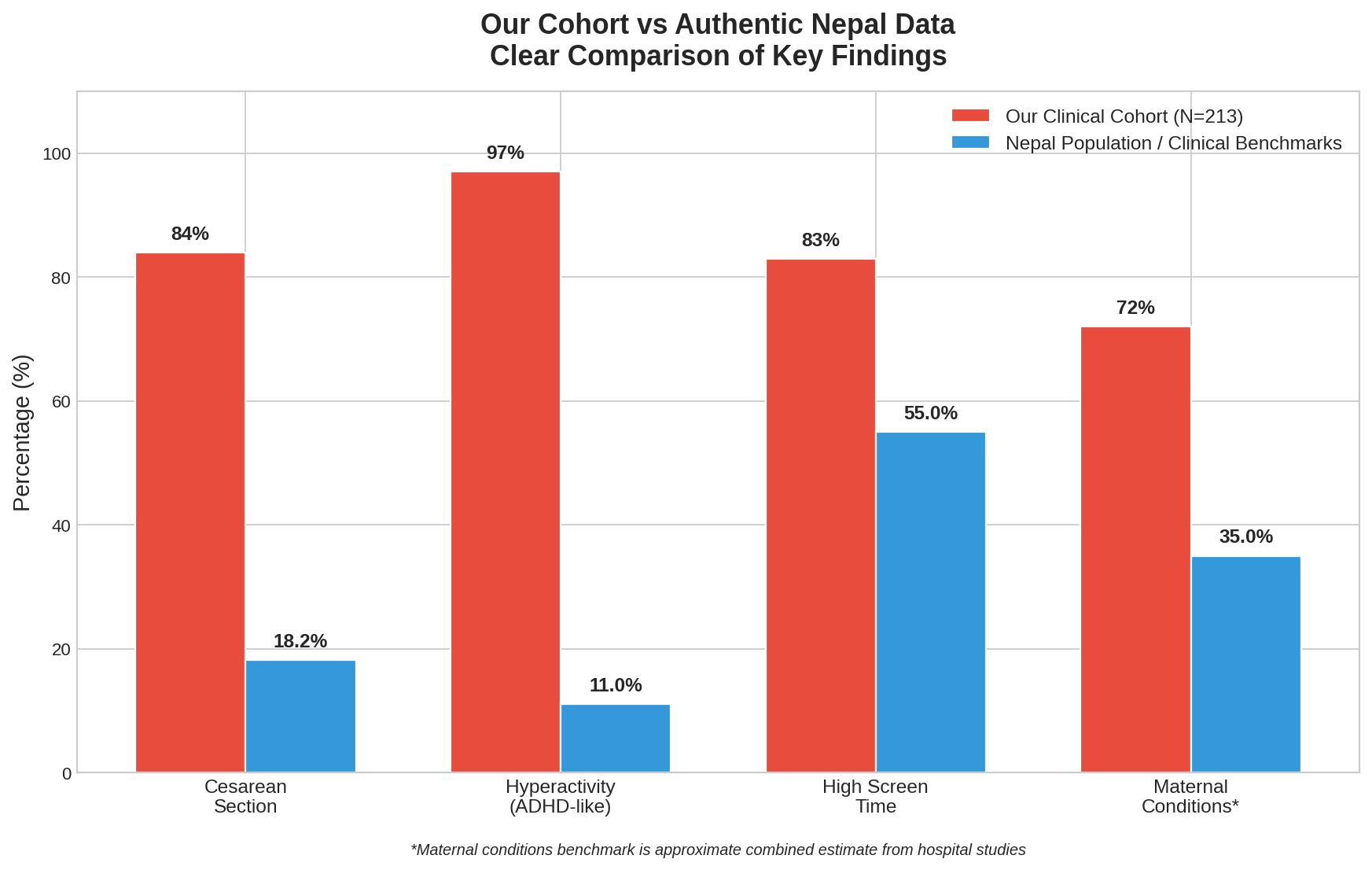 Figure 7: Associated Clinical Factors
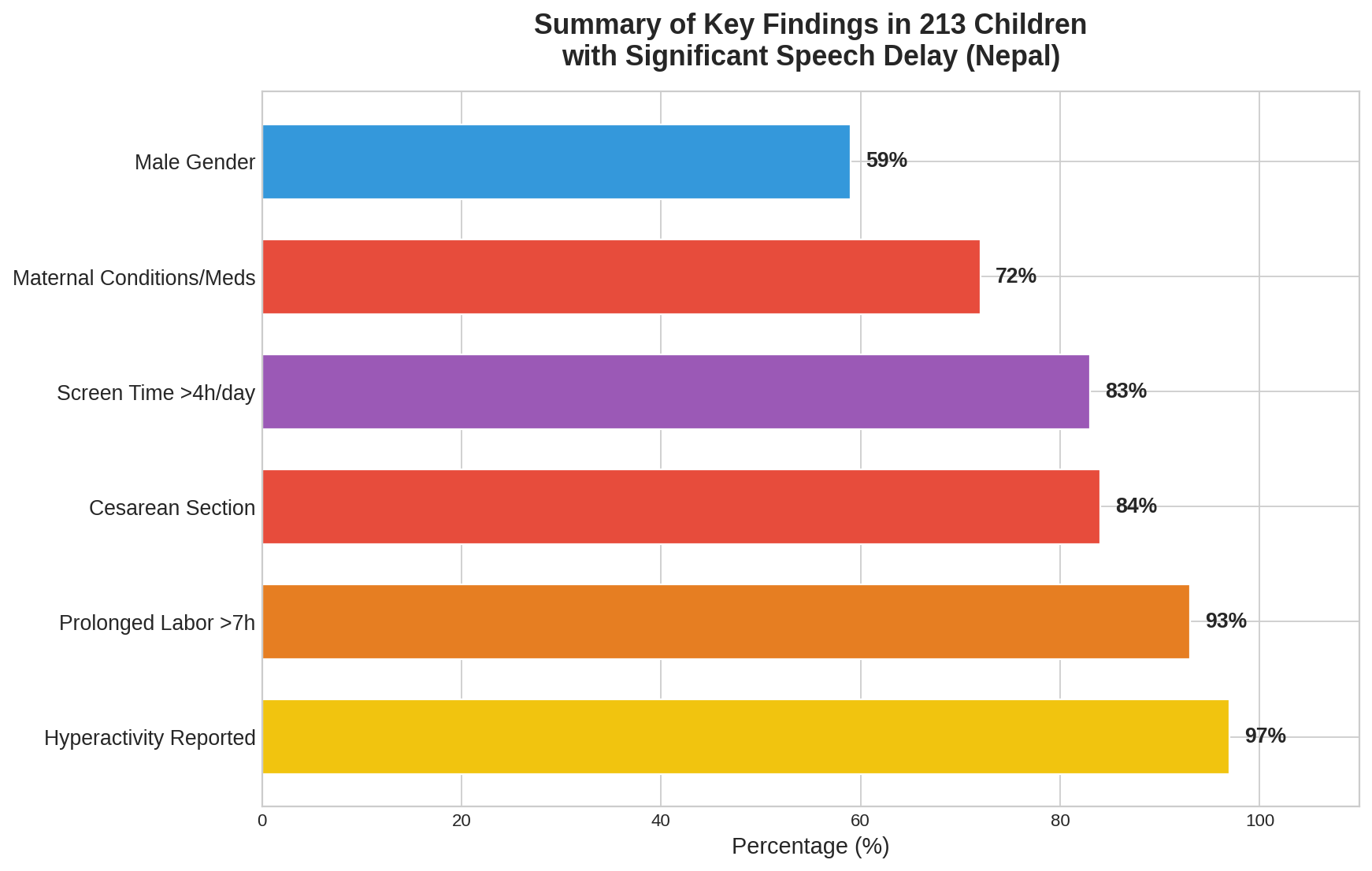 Figure 8: Comparative Metrics Overview
Comparison with National Data
When compared with available Nepalese national health statistics, several notable discrepancies emerge:
| Variable / Clinical Factor | This Cohort (n=213) | National Average |
|---|---|---|
| Cesarean Delivery Rate | 84% | ~20–22% (NDHS) |
| Male Predominance | 59% | ~51% (General birth ratio) |
| Prolonged Labor (>7 hrs) | 93% | Significantly elevated |
| Maternal Medical / Medication Use | 72% | Limited national data |
| Reported Hyperactivity Co-morbidity | 97% | High clinical co-occurrence |
| Screen Exposure >4 hrs/day | 83% | Elevated digital exposure |
Clinical Interpretation
The high cesarean delivery rate (84% vs. ~20–22% nationally) is a striking finding. While cesarean delivery itself is not established as a direct cause of speech delay, it may co‑occur with other perinatal risk factors such as fetal distress, prematurity, or maternal complications.
The male predominance (59%) is consistent with global literature showing higher rates of developmental language disorders in boys. The extremely high rate of reported hyperactivity (97%) suggests significant behavioral co‑morbidity in this population.
Excessive screen exposure (>4 hours/day in 83% of children) warrants particular attention. While the relationship between screen time and language development is complex, multiple studies have identified associations between early excessive screen use and delayed language milestones.
Recommendations
- Strengthen early screening for speech and language milestones in routine pediatric care across Nepal.
- Develop targeted awareness campaigns about the potential impact of excessive screen exposure on language development.
- Encourage systematic documentation of perinatal and maternal health factors in developmental assessments.
- Prioritize larger, controlled studies to investigate the observed associations further.
- Build multidisciplinary developmental evaluation capacity in Nepal's healthcare system.
Limitations
This is an observational analysis without a control group. Findings describe associations, not causal relationships. Data were collected from clinical referrals, introducing potential selection bias. National comparison data are limited in some categories. Self‑reported measures (e.g., screen time) may be subject to recall bias.
Conclusions
This preliminary clinical analysis of 213 children with significant speech delay in Nepal identifies several noteworthy patterns. The high rates of cesarean delivery, prolonged labor, maternal medical factors, hyperactivity, and screen exposure in this cohort merit further investigation through controlled research.
These findings contribute to the growing body of developmental health data in Nepal and support the need for enhanced early screening, multidisciplinary evaluation, and public awareness initiatives focused on child speech and language development.
Key Takeaways
Male predominance (59%) is consistent with global developmental language disorder literature.
84% cesarean delivery vs. ~20–22% national average — a significant discrepancy warranting further study.
83% of children had daily screen exposure exceeding 4 hours — a modifiable risk factor.
Findings highlight the need for enhanced early developmental screening across Nepal.
Co‑powered by Himal Hospital