
Autism Spectrum Disorder (ASD) affects how a child communicates, connects with others, and may include repetitive behaviors or focused interests. Every child with autism is unique. The foundation of support continues to be proven approaches such as behavioral therapy, speech and language therapy, occupational therapy, and educational programs.
Some families explore additional options. One of these is hyperbaric oxygen therapy, or HBOT.
What is HBOT?
HBOT involves breathing pure oxygen inside a specialized pressurized chamber. The higher pressure allows the body to absorb more oxygen than normal. Sessions typically last about 60–90 minutes and are supervised by trained staff.
HBOT is an established medical treatment for certain conditions such as decompression sickness, serious wounds, and carbon monoxide poisoning. Its use for autism is not an approved or standard indication.
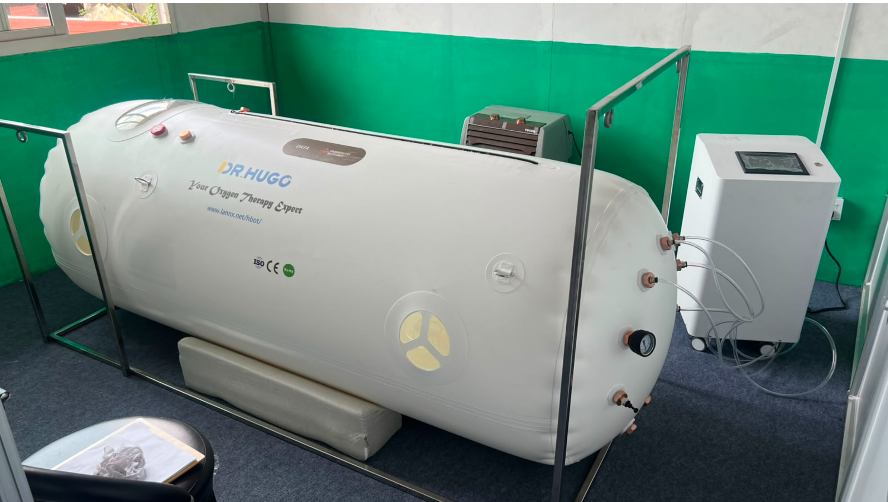
Hyperbaric Oxygen Setting
Delivers pressurized oxygen in a controlled medical chamber. While proven for wound care and decompression, its role in neurodevelopment remains under evaluation.
Why has HBOT been studied in autism?
Some researchers have suggested that increased oxygen delivery might influence inflammation, blood flow in the brain, or other biological processes sometimes discussed in relation to autism. This idea has led to clinical studies examining whether HBOT could help with core symptoms or related challenges.
What the research shows
High-quality evidence remains limited. A Cochrane systematic review (the gold standard for evaluating medical treatments) examined the available randomized controlled trials and found no clear evidence that HBOT improves social interaction, communication, behavioral problems, or cognitive function in children with autism.
Other independent reviews have reached similar conclusions and do not recommend HBOT as an effective treatment for ASD. Some smaller studies and more recent analyses (including lower-quality or uncontrolled research) have reported possible improvements in certain rating scales. However, these findings are inconsistent, often limited by study design, and have not been reliably confirmed in well-controlled trials.
Safety
When performed in properly equipped medical facilities with trained staff, HBOT is generally considered safe for approved uses.
In children with autism, the most commonly reported side effects are mild and temporary, such as:
- Ear discomfort or barotrauma (pressure-related ear issues)
- Sinus pressure
- Feelings of confinement / claustrophobia
More serious complications are uncommon but can occur, especially if equipment is not maintained correctly or protocols are not followed carefully. Safety depends heavily on proper medical screening and professional supervision.
Important limitations
- High-quality randomized controlled trials are few.
- Results across studies are mixed and often of limited quality.
- Biological rationale for autism is not strongly established.
- Long-term benefits have not been clearly demonstrated.
- Cost and time commitment can be substantial.
Current understanding
HBOT is considered an experimental or unproven approach for autism. It does not cure ASD and is not recommended as a standard treatment by major evidence-based reviews. It should never replace established therapies that form the core of support for children with autism.
A message for parents and caregivers
Current research does not provide strong evidence that HBOT improves core symptoms of autism. While some families report positive experiences and certain studies suggest possible benefits, the overall scientific consensus remains cautious due to limited high-quality data.
If you are considering this option, we recommend discussing it thoroughly with specialists experienced in autism care. Together you can review the current evidence, possible risks, costs, and the strong foundation of proven therapies already available for your child.